

Discover the Authentic Charm of Isernia
Amid ancient stones and age-old stories, Isernia welcomes you with a rich and surprising cultural heritage. From Roman ruins to the Paleolithic Museum, from the winding alleys of the historic center to the neoclassical Cathedral—every corner tells a story of authentic Italy, ready to be experienced and admired.

The Underground of the Cathedral
In the historic center of Isernia lies a unique archaeological site, hidden beneath the Cathedral.
It’s the heart of the ancient Latin colony of Aesernia — and you can visit it for free, guided by a professional archaeologist!

Isernia Romana
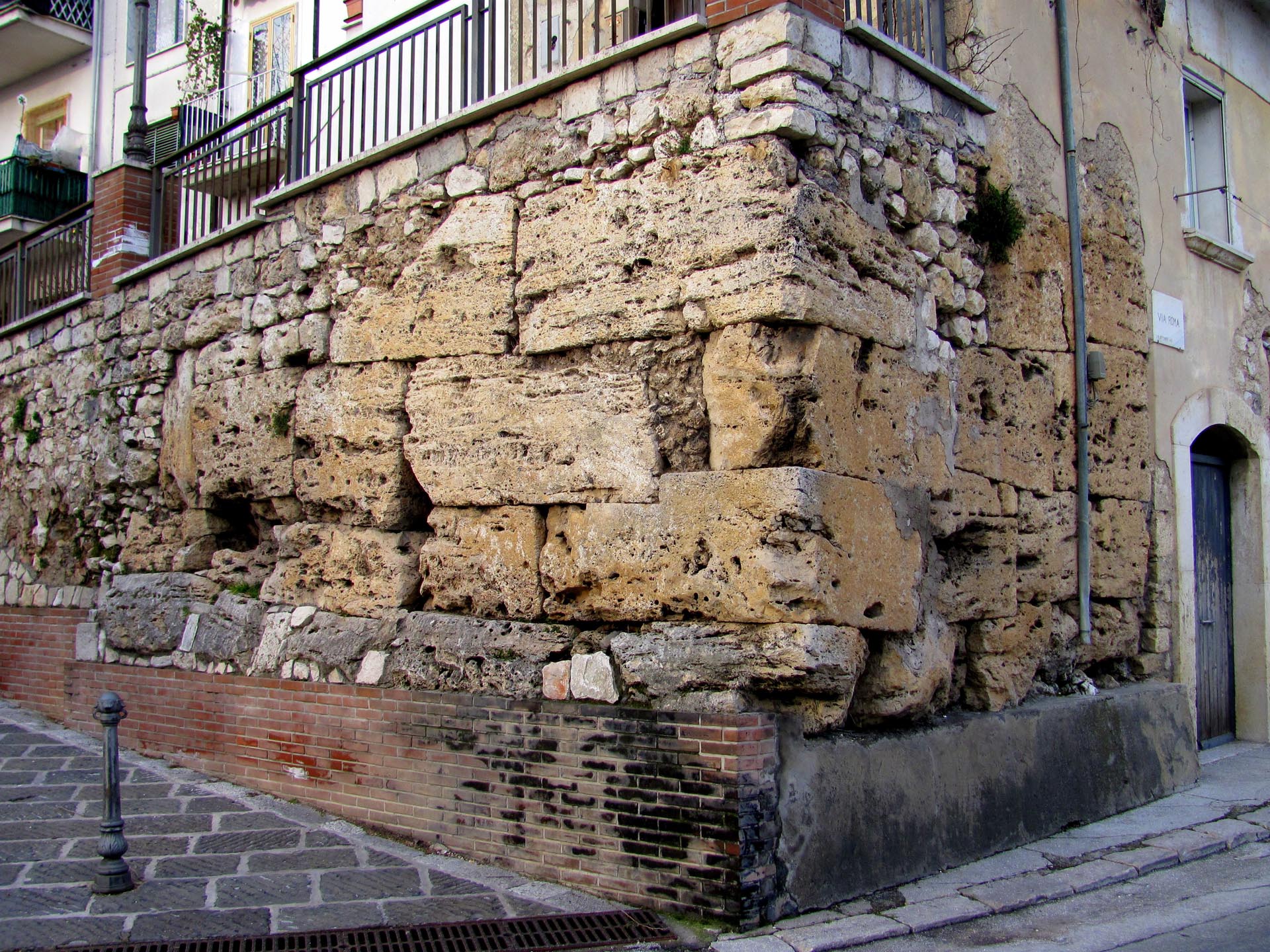
Through the surviving polygonal and nearly square masonry structures, it is possible to reconstruct the layout and extent of what was once the Latin colony of Aesernia, founded by Rome in 263 BC.
Even today, the urban layout of Isernia’s historic center is deeply influenced by the original city plan conceived by Roman architects.
At the intersection of the two main axes of the ancient city—just as in typical Roman urban design—lie the remains of a vast sacred area. Archaeological excavations have revealed two temples here. The oldest, dating back to the 3rd century BC, is a unique example distinguished by its architectural and stylistic features
Isernia and Its Lost Churches
Walking through the streets of Isernia means listening to what cannot be seen. Beyond the monuments and places of worship still standing, the city holds the memories of churches that once marked the spiritual and daily life of its people.
These are the lost churches—silent witnesses to a faith that has endured through the centuries..

A Spiritual Journey Through History and Faith
Immerse yourself in the spiritual heart of Isernia, a treasure trove of history and devotion revealed through its evocative places of worship. Let yourself be guided on a soul-stirring journey—from secluded hermitages and art-filled churches to the city’s majestic cathedral.
The National Paleolithic Museum
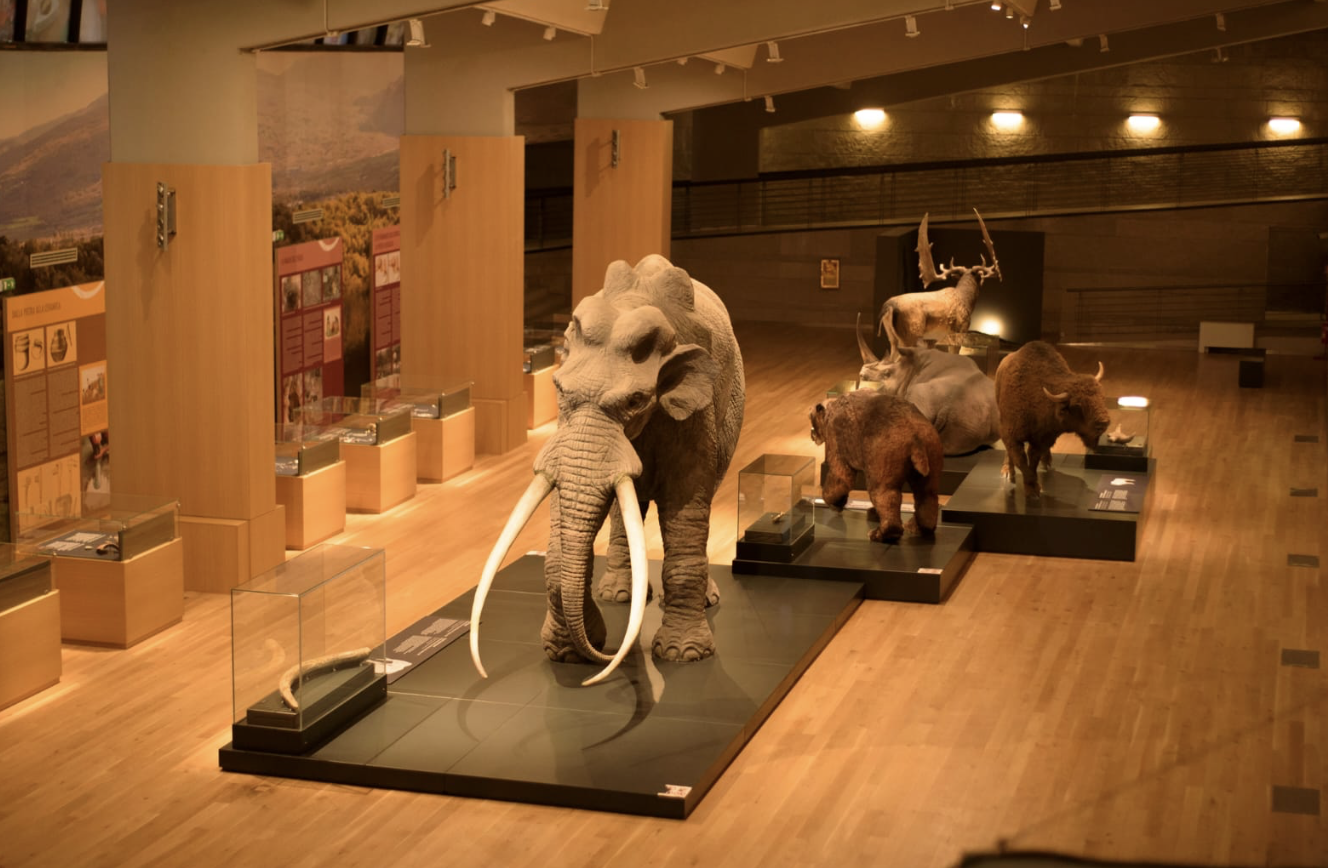
Discovered in 1978, the paleosurface covers an area of about 300 square meters and preserves thousands of artifacts dating back approximately 600,000 years. Among these are stone tools and fossilized animal bones—some still in their original positions, others displayed in the museum’s exhibition rooms—that show evidence of use by Homo heidelbergensis.
Inside the educational pavilion, you’ll find Italy’s oldest human fossil. Following a 2023 renovation, the museum now also features captivating reconstructions of the most representative animal species that inhabited the area during the Lower Paleolithic era.